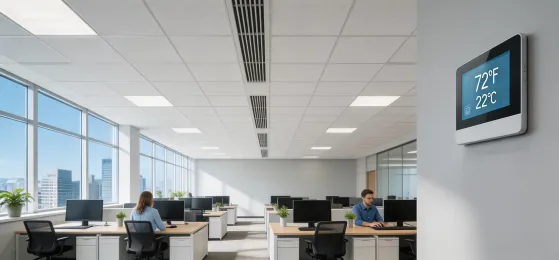
Commercial Buildings
Office complexes, retail spaces, and mixed-use developments require reliable year-round heating and cooling. Dimplex air-source heat pumps deliver both from a single system, reducing equipment footprint and maintenance complexity. Typical installations achieve 35-42% energy savings compared to conventional gas boiler plus chiller configurations.
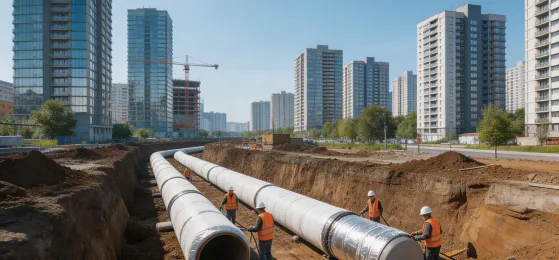
District Heating
Large-scale water-source heat pumps integrated into municipal heating networks provide low-carbon heating for entire neighborhoods. Dimplex supplies systems from 500 kW to multi-MW capacity, leveraging river water, wastewater, or geothermal sources to achieve COP values above 5.0 in favorable conditions.
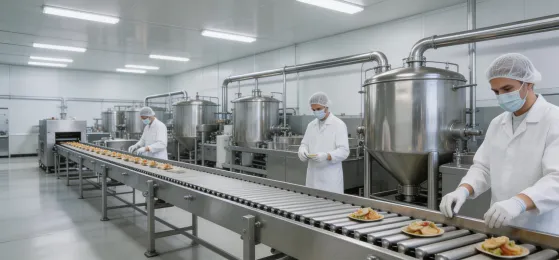
Food & Beverage Processing
Heat pumps recover waste heat from refrigeration systems to produce hot water at 60-80 degrees C for cleaning, pasteurization, and process heating. This dual benefit reduces both energy costs and carbon emissions while meeting HACCP hygiene requirements for food-grade installations.
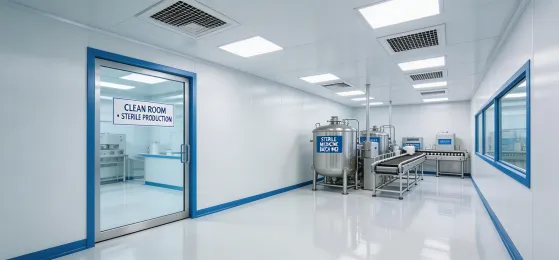
Pharmaceutical
GMP-compliant temperature control requires precision and redundancy. Dimplex water-source and ground-source heat pumps maintain tight temperature bands for active pharmaceutical ingredient production, clean rooms, and cold storage, with remote monitoring for continuous compliance documentation.

Data Centers
Data centers reject 100% of their electrical input as waste heat, typically at 30-40 degrees C. Dimplex heat pump systems capture this thermal energy and boost it to usable temperatures for district heating export or on-site use, turning a waste stream into a revenue source while improving overall facility PUE.

Hospitality
Hotels and resorts require simultaneous heating, cooling, and hot water across guest rooms, pools, and event spaces. Dimplex heat pumps provide all three from a single platform, reducing equipment rooms, maintenance schedules, and carbon reporting obligations for ESG-conscious hospitality brands.